
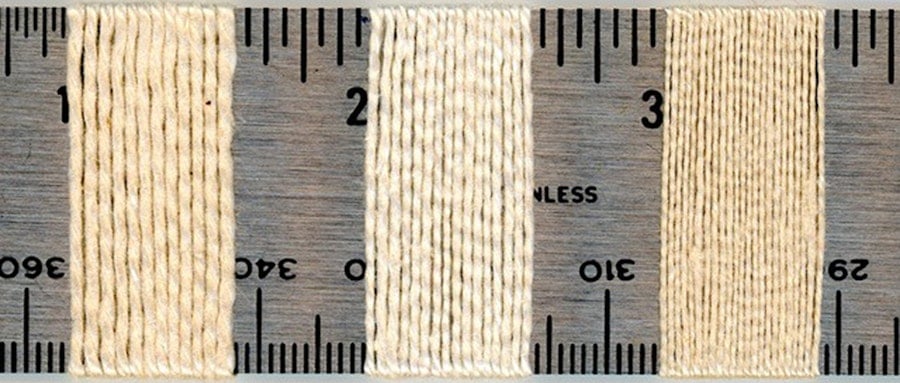
Yarn and structure nuances to keep in mind when you’re planning a warp

There isn’t really a way to translate an 8-shaft draft to four, but you can create similar effects by substituting a 4-shaft twill for an 8-shaft one or by using the same block weave you see in an 8-shaft project but reducing the number of blocks.
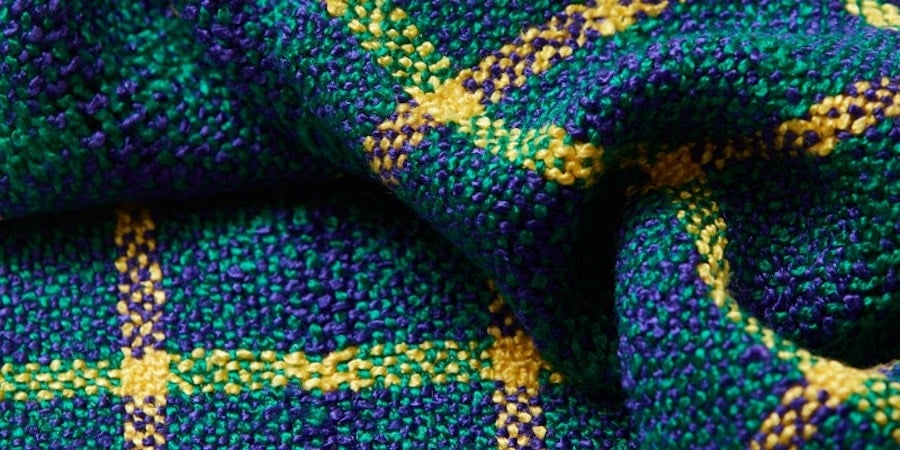
Sometimes two things come together and make a design come to life. That’s what happened when Angela K. Schneider looked at a rigid-heddle warp she had designed for a class and saw the colors of Mardi Gras. Her rigid-heddle Mardi Gras scarf came to life!

Lucienne Coifman wowed us with her Wavelets Rep-Weave Table Runner woven on 8-shafts. Rep weave as we know it has straight lines, but Lucienne, through a smart use of thin weft picks, was able to break those lines and make them wavy. You might think you k
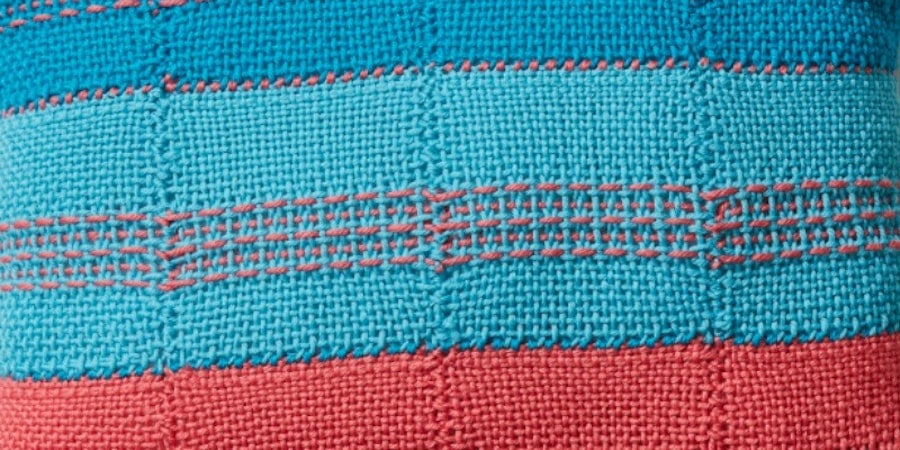
Deborah Bagley found booklets from the mid-1900s that feature pin loom weaving patterns that are anything but plain. She based her Pin-Striped Pin-Loom Pillow on float patterns she found that add texture, and then she added colors to enhance that texture.

I typically warp my loom front to back. However, lately I've been planning some projects that require much longer warps (8+ yards). I was told that if you are planning a long warp that it is best to warp a floor loom back to front because it allows you to
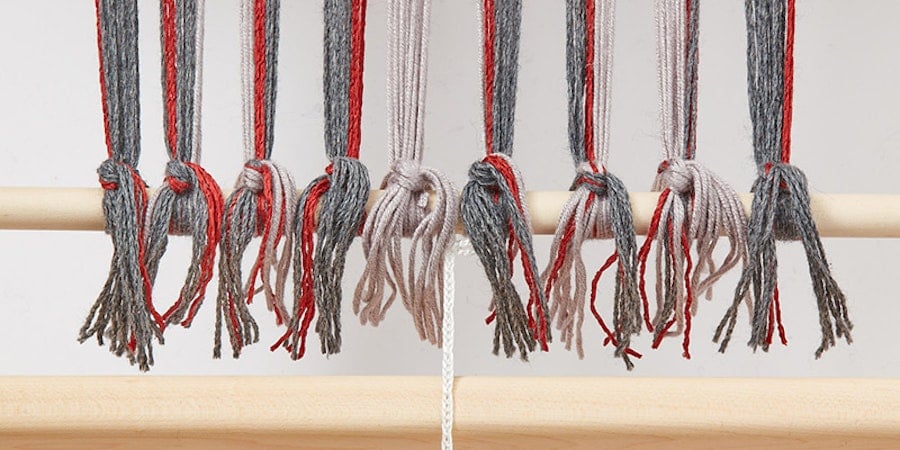
Whether you weave on a multishaft loom or a rigid-heddle loom, you need to have some way of fastening your warp to the cloth beam.

I am new to doubleweave and have been told that any overshot pattern can be used to weave a doublewide fabric. How do I figure out the treadling?

I'm weaving a double-wide baby blanket in doubleweave, and I was wondering how to achieve a smooth fold. Should I use a temple?
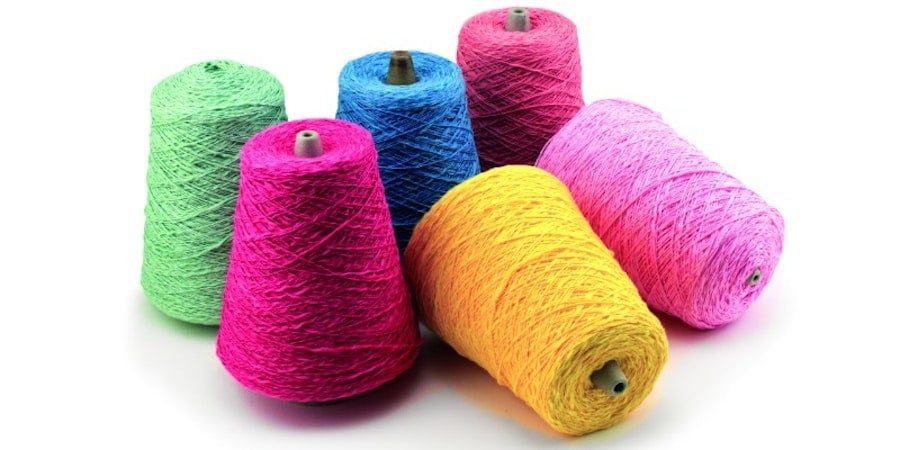
Love trying new yarns but don’t know where to start? Then make sure to check out the Yarn Lab feature in every issue of Handwoven. In the March/April 2018 issue, Jenny Sennott plays with Halcyon Yarn’s Block Island Blend.